
Last updated: September 2026
Hiring veterans is only half the job. Keeping them is the other half. A veteran employee resource group (ERG) is one of the simplest, lowest-cost ways to help veteran hires settle in, grow, and stay.
I've seen the transition from both sides. As an Air Force veteran, I know how isolating a first civilian job can feel. As a former HR professional, I know how much turnover costs. A well-run veteran ERG addresses both problems. This guide walks you through how to build one that works.
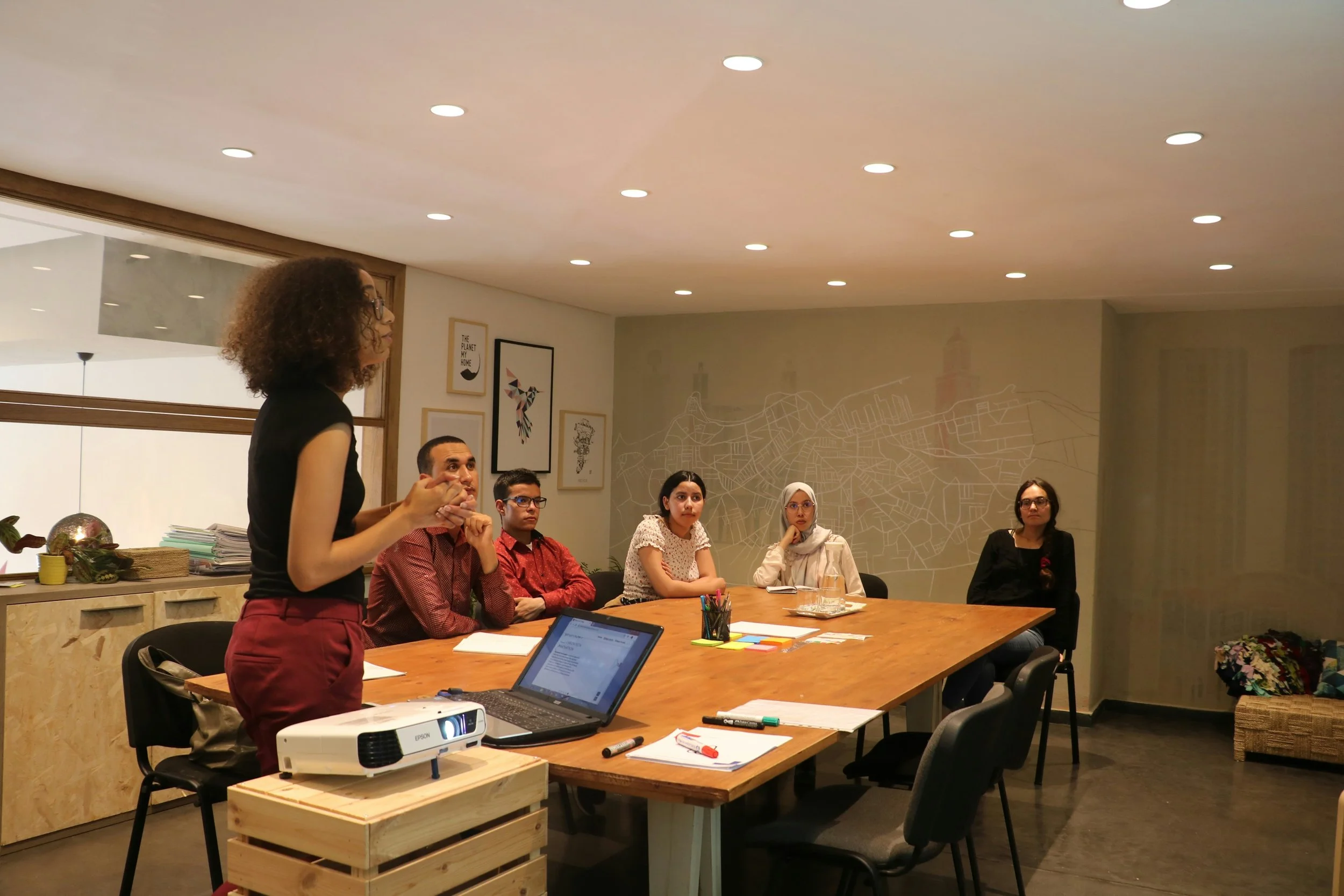
What a Veteran ERG Is (and Why It Matters)
A veteran ERG is an employee-led group, supported by the company, that connects veterans, service members, military spouses, and supporters inside your organization. It gives them a place to share experiences, build their careers, and help new veteran hires adjust.
Veteran ERGs differ from most other ERGs because they center on a shared experience: military service and the move to civilian work. Veterans often face specific challenges, like translating military skills into business terms or adjusting to less structured workplaces. A veteran ERG helps with both.
Why it matters for retention. Veterans often leave their first civilian job early. A widely cited survey by VetAdvisor and Syracuse University's Institute for Veterans and Military Families found that among veterans who had already left their first civilian job, nearly half did so within a year. Common reasons included a lack of advancement and a poor match with their skills. A veteran ERG can address both through mentoring, career development, and connections across the company.
Why it matters for everyone else. A good veteran ERG also helps non-veteran coworkers and managers understand military experience. That makes collaboration easier, and it makes your company more attractive to future veteran candidates.
Keep Membership Open to All
Before you launch, get this right: make your ERG open to every employee.
In March 2025, the Equal Employment Opportunity Commission (EEOC) issued technical assistance stating that employee resource groups may be unlawful if they aren't open to everyone. Veteran status isn't one of the protected characteristics under Title VII, the federal law the guidance addresses. But open membership is still the safest and most practical approach, especially if your group plans activities for women veterans or other subgroups.
Open membership also helps the group. Military spouses, family members, and civilian coworkers who want to support veterans bring energy, connections, and perspective. Some companies call these members "allies" or "supporters."
You can still focus your programming on veteran needs. A workshop on translating military experience or using VA benefits will naturally draw veterans. Just don't close the door on anyone who wants to attend.
This section is general information, not legal advice. Check with your employment counsel about your specific policies.
Step 1: Assess Your Starting Point
Find out who's already there. Many companies don't know how many veterans they employ, because veterans don't always mention their service. A short, voluntary survey can reveal your veteran and military-connected population and what they want from a group. Keep responses confidential, and make clear that participation is optional.
If your company is a federal contractor, you may already collect voluntary veteran self-identification data for compliance. Work with HR to use only anonymous totals, not individual answers.
Ask what members want. Common interests include career development, mentoring, networking, volunteering, and help with VA benefits. Let the survey results shape your first-year plan.
Step 2: Secure Leadership Support
Without executive support, most ERGs struggle to get time, budget, and attention.
Find an executive sponsor. Look for a senior leader who will do more than lend their name. Good sponsors attend events, connect the group to resources, and remove obstacles. A veteran sponsor is great, but a committed non-veteran sponsor can be just as effective and helps show that the group belongs to the whole company.
Make the business case. In my HR work, the ERGs that got funded were the ones that tied their goals to business results. Show leaders how the group can:
Improve retention of veteran hires
Strengthen recruiting and your reputation with veteran candidates
Develop future leaders
Support Guard and Reserve employees and their managers
Include what you'll need: a small budget, time for leaders to run the group, and meeting space or virtual tools.
Step 3: Define Your Mission and Goals
Write a short mission statement. Is your main focus career development, community, service, or all three? You can do all of them, but choosing priorities helps you plan and measure.
Then set specific goals. For example:
"Pair every new veteran hire with a mentor within 30 days."
"Host one career development event per quarter."
"Improve first-year retention of veteran hires compared to last year."
Step 4: Build Strong Leadership
Leadership makes or breaks an ERG.
Choose founding leaders carefully. Look for employees who are already informal connectors at work, people others go to for advice. Aim for a mix of service branches (Army, Navy, Air Force, Marine Corps, Space Force, and Coast Guard), ranks, and departments. Include at least one Guard or Reserve member if you can.
Define roles. Common roles include a chair, a vice chair, a communications lead, and an events lead. Write down what each role does.
Plan for turnover. People get promoted, change jobs, or get busy. Set term lengths, build a pipeline of new leaders, and document how things work so the group doesn't fall apart when a key person leaves.
Consider an advisory group. Senior veteran employees who don't have time for day-to-day work can still offer guidance a few times a year.
Report regularly. Share short updates with your sponsor and members: what you did, who attended, and what you learned.
Step 5: Plan Programming That Delivers
Career development
This should be the core of your programming. Offer workshops on topics like:
Translating military experience into civilian terms
Understanding how your company makes decisions and promotes people
Building a professional network inside the company
Preparing for performance reviews and promotions
My guide to how civilian workplace hierarchy compares to the military makes a good discussion starter for a first session.
Mentoring
Pair newer veteran hires with employees who've been in civilian work longer. The mentor doesn't need to be more senior in title. Sometimes a veteran who's two years into civilian life gives the most practical advice. Open mentoring to non-veteran volunteers too. They can explain unwritten rules that veterans may miss.
Networking
Coffee meetups, lunch-and-learns, and after-work gatherings help veterans build relationships beyond their own teams. These connections often lead to new projects and internal moves.
Community service
Many veterans are drawn to service. Organize volunteer activities with local veteran nonprofits, military family events, or community projects. These build team bonds and show the group's values in action.
VA benefits education
Many veterans don't fully understand the benefits they earned, including disability compensation, health care, and education benefits. Invite an accredited Veterans Service Officer (VSO) to speak. VSOs help veterans file claims for free. Make sure any speaker who offers claims help is VA-accredited.
Recruiting support
ERG members can help at veteran job fairs, speak with candidates, and mentor SkillBridge participants if your company hosts them. When a veteran candidate talks with a veteran employee, it builds trust fast.
Step 6: Welcome Every Kind of Service
Military service comes in many forms. A four-year Army infantry veteran, a 20-year Air Force officer, and a Navy Reservist with two deployments and a civilian career all have different experiences. Your group should welcome all of them.
Guard and Reserve members balance civilian jobs with ongoing military duty. Schedule events around drill weekends when you can, and offer virtual options. Your ERG can also help managers understand their obligations under USERRA, the federal law that protects service members' jobs. Employer Support of the Guard and Reserve (ESGR) offers free guidance and a Patriot Award that employees can use to recognize supportive supervisors.
Military spouses often face employment challenges from frequent moves. Including them adds valuable perspective and makes your company more attractive to military families.
Women veterans and veterans from underrepresented groups may face added challenges in both military and civilian settings. Make sure your leadership and speakers reflect your whole membership. If you offer programming on specific topics, such as women's veteran health benefits, keep those events open to anyone interested.
Step 7: Handle Sensitive Topics With Care
Some members may be dealing with service-connected disabilities, PTSD, or military sexual trauma (MST). An ERG can be a supportive place, but ERG leaders aren't counselors. Train leaders to listen, respect privacy, and refer people to professional help.
Keep these resources handy:
Your Employee Assistance Program (EAP) for confidential counseling
The Veterans Crisis Line: Dial 988, then press 1, or text 838255
VA's MST support: VA offers free MST-related care, even to veterans who don't have a VA disability rating
A local VSO for help with VA claims
Set ground rules for discussions, including confidentiality and respect. Keep politics out of group events. Veterans hold a wide range of views, and the group works best when it focuses on shared professional goals.
Step 8: Measure Your Results
Tracking results keeps leadership support strong and shows what's working. I learned in my MBA program that if you can't measure it, you can't defend its budget. That's especially true for ERGs.
Participation: How many people join, and how many attend events?
Retention: Compare turnover among veteran hires before and after launching the ERG, and between participants and non-participants. Retention is where ERGs usually show their clearest value.
Engagement: If your company runs engagement surveys, compare how veteran employees answer questions about feeling valued, seeing a future at the company, and planning to stay.
Career growth: Track promotions and internal moves among ERG members.
Recruiting: Ask new veteran hires whether the ERG or its members influenced their decision to apply or accept.
Cost savings: Estimate the cost of replacing an employee at your company, including recruiting, training, and lost productivity. Even a few prevented departures can cover a modest ERG budget.
Share results with your sponsor at least twice a year.
Common Challenges and How to Solve Them
Low participation. Some veterans don't know the group exists. Others worry about being seen as "just a veteran." Promote the group during onboarding, and position it as a career development resource, not just a social club.
Uneven attendance. Rotate event times and formats, and record sessions when appropriate.
Different views within the group. Veterans aren't a single group. They have different politics, service experiences, and opinions. Focus on shared goals and set ground rules for respectful discussion.
Tight budgets. Many valuable activities cost almost nothing: peer mentoring, lunch-and-learns, and coffee meetups mostly require time. Start small, show results, then ask for more.
Leader burnout. Running an ERG takes time. Ask your sponsor to recognize ERG leadership in performance reviews, and share the work across several people.
Build Partnerships Outside Your Company
Veteran organizations. Groups like the Veterans of Foreign Wars, The American Legion, Iraq and Afghanistan Veterans of America, and Team Red, White & Blue offer programs, volunteer opportunities, and speakers.
Transition programs. Your company can connect with transitioning service members through installation transition offices, Hiring Our Heroes fellowships, and DoD SkillBridge. ERG members make excellent mentors for these programs.
Other companies' ERGs. Veteran ERGs at other companies in your industry or area can share what worked for them and co-host events.
Local veteran business networks. These raise your company's profile in the veteran community and create networking opportunities for members.
Conclusion
Creating a successful veteran employee resource group more than just checking a diversity box. You’re unleashing the incredible potential of your veteran workforce. Start with the survey. Find out who your veterans and military-connected employees are and what they need. Then find a sponsor and two or three founding leaders. You don't need a big budget to begin, just a clear purpose and people willing to lead. Your ERG should celebrate that diversity while creating connections that last.
Want to build a stronger veteran workforce? Veterans bring skills your team needs, and the right support helps them stay. Book a free consultation to learn how Drakov Industries helps organizations recruit, support, and retain veteran talent.